Friends with benefits (FWB) sounds simple: two people who are already friends decide to add physical closeness without turning it into a serious relationship. No pressure, no commitment, no drama. At least, that’s the idea. In real life, it’s rarely that clean. Say These 3 Little Words
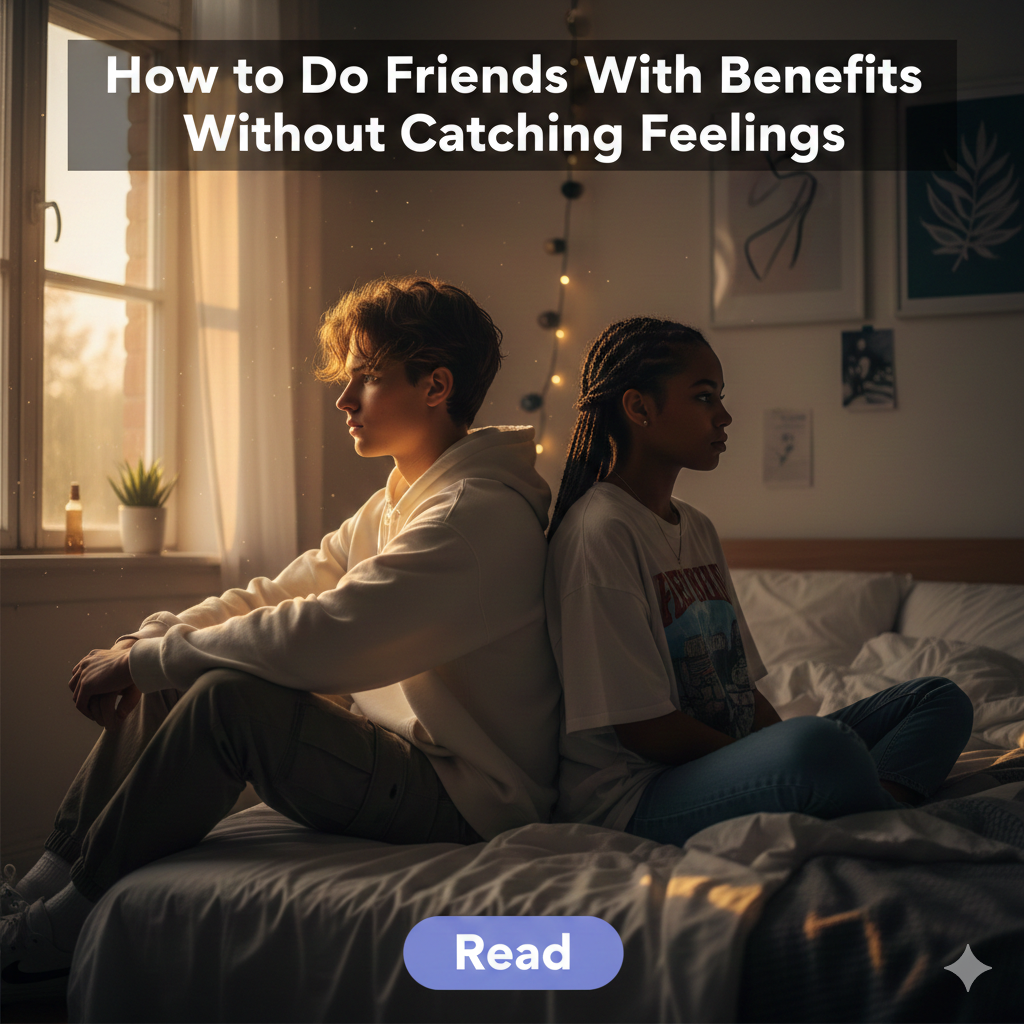
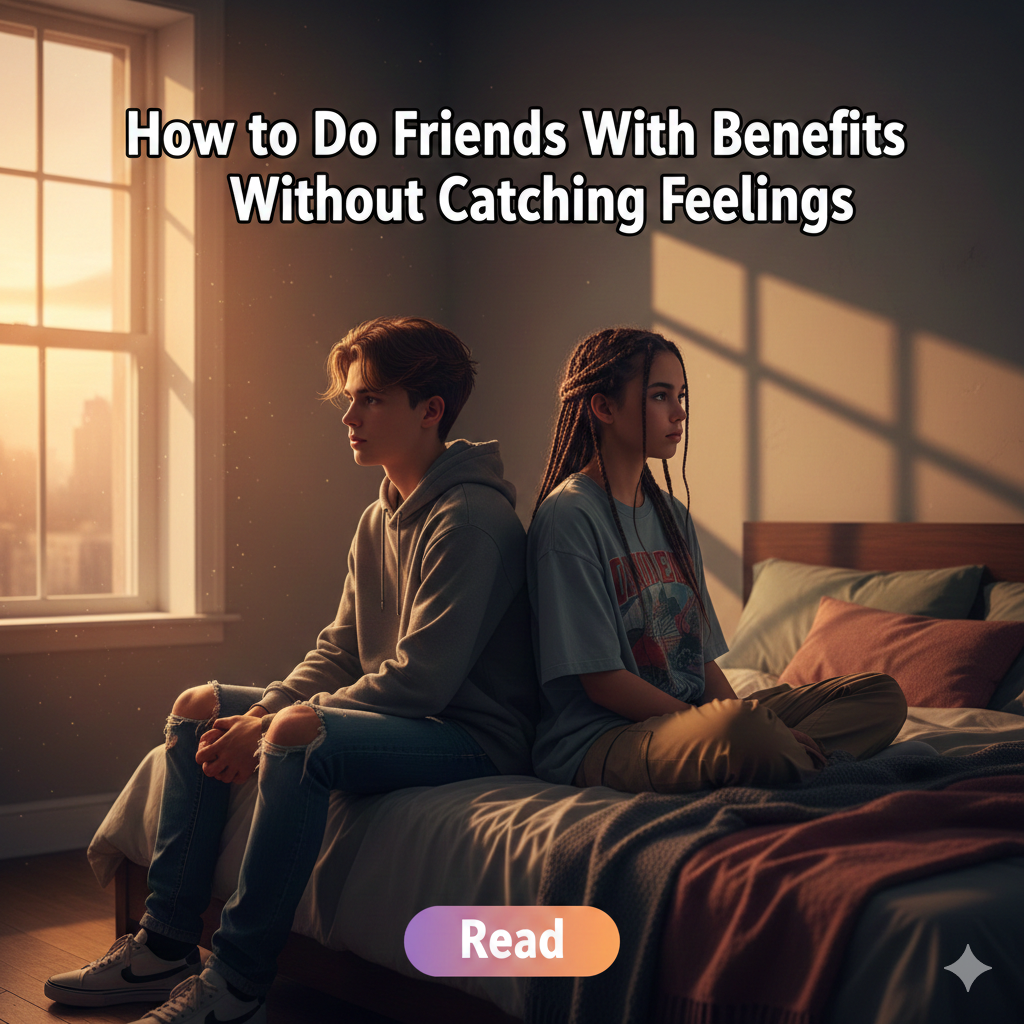
The biggest mistake people make is assuming emotions will automatically stay out of it. Human connection doesn’t work like a switch you can turn off. When two people spend time together, talk regularly, and share personal moments, feelings can quietly grow—even if neither planned for it. That’s why so many FWB situations end in confusion or disappointment instead of staying casual. Best 3 Words works
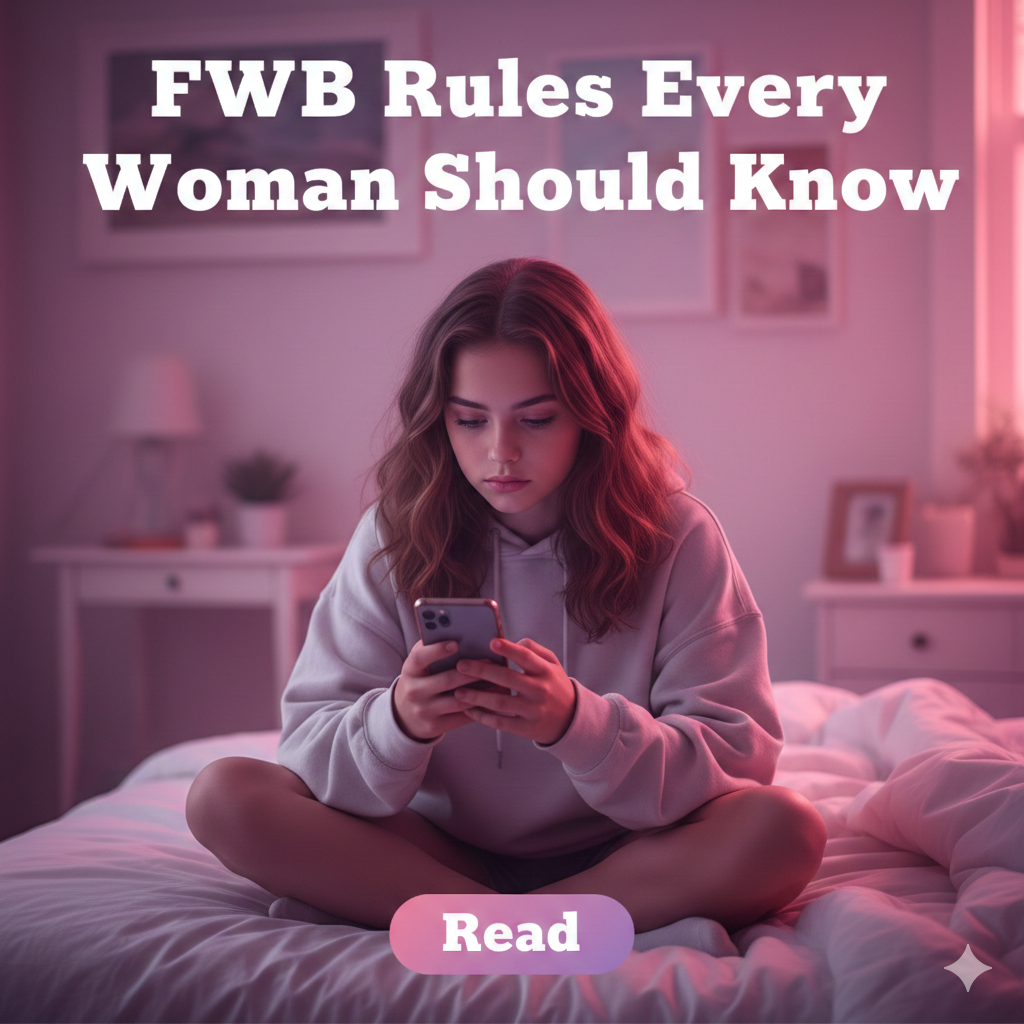

Another issue is unclear boundaries. Many people jump into FWB without ever discussing expectations. Are you exclusive or not? What happens if one person starts dating someone else? How often will you talk? Without answers to these questions, misunderstandings become almost guaranteed. Read the full list of FWB boundaries here
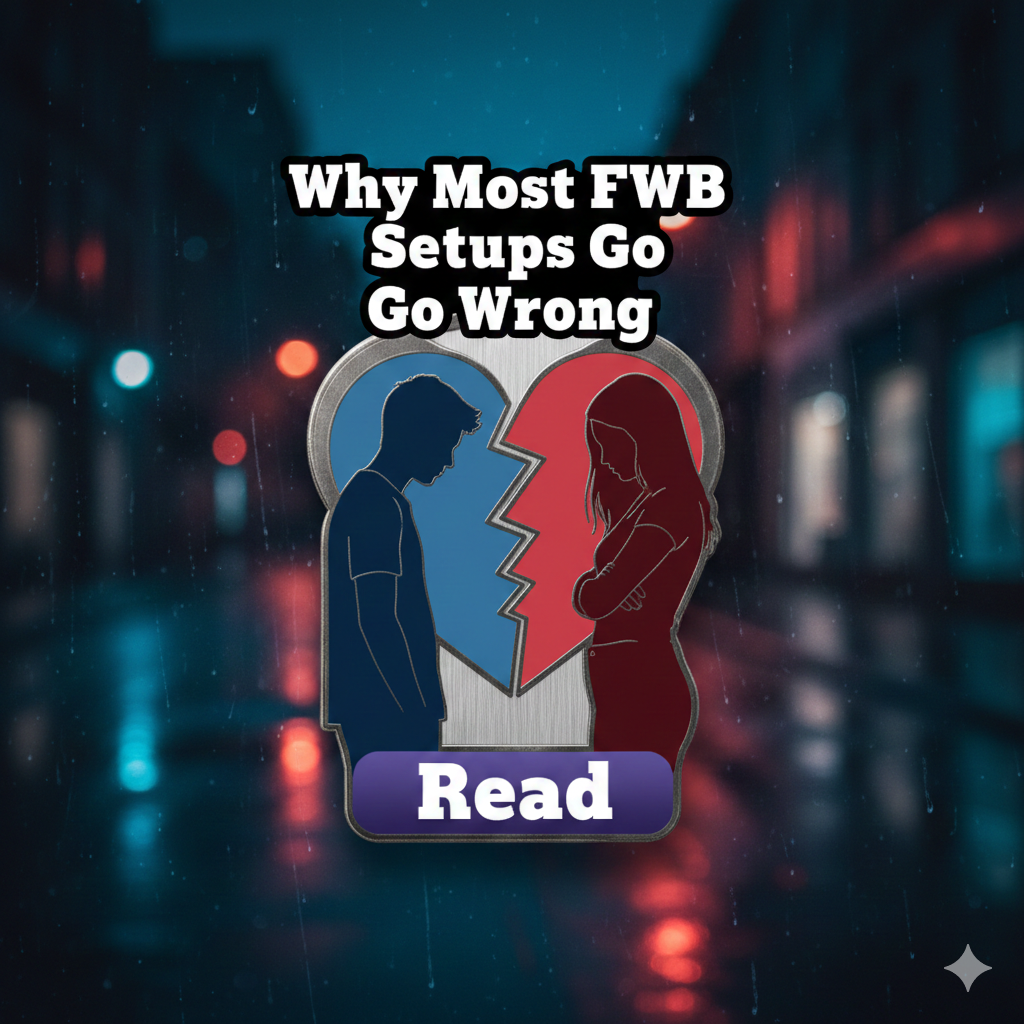
FWB can work only when both people are honest with themselves and with each other. That means checking in emotionally, not just physically. If one person secretly hopes it will turn into a relationship while the other does not, someone is likely to get hurt. Ignoring those signals doesn’t make them disappear—it just delays the problem.



Before starting an FWB situation, it’s important to ask one key question: Am I doing this because I truly want something casual, or because I hope it becomes more later? The answer can save you a lot of stress.
Friends with benefits isn’t automatically good or bad. It depends on communication, emotional awareness, and clear limits. When people skip those steps, FWB stops being “no strings attached” and starts becoming emotionally complicated.
Understanding how FWB really works helps you make smarter choices—and avoid turning a simple idea into an emotional mess.